

If you’ve ever wondered why you see certain posts on Instagram, TikTok, or LinkedIn, and why some content seems to follow you everywhere, you’re bumping up against the power of social media algorithms. These invisible systems decide what you see, when you see it, and even what you might buy next. For brands and creators, understanding algorithms isn’t just a technical curiosity. It’s the difference between reaching your audience and shouting into the void.
In this article, we’ll break down what a social media algorithm actually is, how it works, and why it matters for anyone trying to grow online. You’ll get practical tips, real examples, and a clear sense of how to work with (not against) the algorithm in 2026.
What is a social media algorithm?
A social media algorithm is a set of rules and calculations that platforms use to decide which content appears in your feed, in what order, and for how long. Think of it as a super-fast, always-on editor that sifts through millions of posts and picks the ones most likely to keep you engaged.
Every major platform, Instagram, TikTok, Facebook, LinkedIn, YouTube, X (Twitter), Pinterest, uses its own algorithm. While the details are secret, the goal is the same: show you content you’ll interact with, so you spend more time on the app.
Algorithms look at hundreds of signals, like:
- What you’ve liked, shared, or commented on
- How long you watch or pause on a video
- Who you follow and interact with
- What’s trending in your network or region
- The time of day and your device
The result? No two feeds are exactly alike. Your experience is personalized, and brands have to work smarter to get noticed.
Why do algorithms matter for brands and creators?
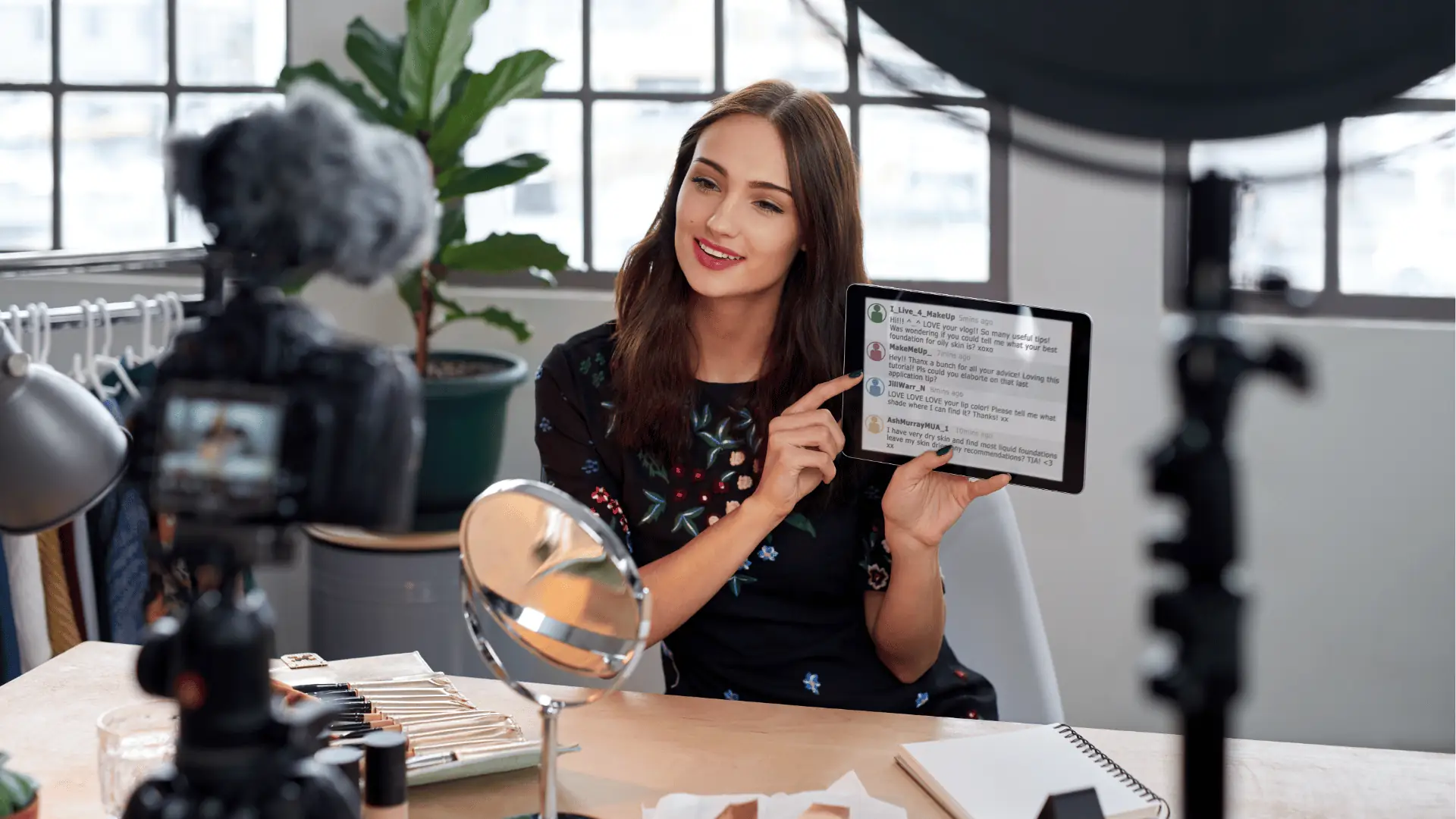
Algorithms are the gatekeepers of attention. For brands, creators, and anyone building an audience, this means:
- Reach is earned, not guaranteed. Just because you have followers doesn’t mean they’ll see your posts. Algorithms decide who gets what, and when.
- Quality beats quantity. Spamming your feed with posts won’t help if the algorithm thinks your content isn’t engaging.
- Engagement is the new currency. Likes, comments, shares, and even how long someone lingers on your post all signal value to the algorithm.
- Trends move fast. Algorithms surface what’s hot right now, so timing and relevance matter more than ever.
For creators, this can feel like a moving target. But it also means that small accounts with great content can go viral, while big brands can fade if they don’t adapt.
How do social media algorithms work?

While every platform keeps its exact formula secret, most social media algorithms follow a similar pattern:
- Collect data: Every action, likes, comments, shares, watch time, even pauses, feeds the algorithm.
- Score content: The algorithm assigns a value to each post based on how likely you are to engage with it.
- Rank and filter: Posts are sorted and shown in your feed, with the highest-scoring content at the top.
- Learn and adapt: Algorithms constantly update based on new data, trends, and user behavior.
Let’s look at a few platform-specific quirks:
- TikTok: Prioritizes watch time, rewatches, and even how long you hover on a video. The "For You" page is a masterclass in algorithmic discovery.
- Instagram: Looks at your interactions, DMs, and even the time you spend on Stories. It also weighs recency and relationship.
- LinkedIn: Favors content that sparks conversation, especially in the first hour after posting.
- YouTube: Recommends videos based on your watch history, subscriptions, and what’s trending globally.
The bottom line: algorithms are always learning. What works today might shift tomorrow, so staying flexible is key.
What signals do algorithms use to rank content?

Algorithms use a mix of explicit and implicit signals to decide what gets seen. Here are the most important ones in 2026:
- Engagement: Likes, comments, shares, saves, and even reactions (like "love" or "funny")
- Watch time: How long users spend on your video or post
- Rewatches and pauses: Especially on TikTok and Instagram Reels, these are strong signals of interest
- Follows and DMs: Who you interact with most often
- Recency: Newer posts are more likely to appear, but evergreen content can resurface if it gets engagement
- Content type: Videos, carousels, and interactive posts often get a boost
- Hashtags and keywords: Help algorithms understand what your content is about
- User behavior: What similar users are engaging with
Some platforms even track micro-behaviors, like hover time or how quickly you scroll past a post. The more signals you hit, the better your chances of being seen.
Common algorithm mistakes (and how to avoid them)

Even experienced marketers trip up on algorithms. Here are some mistakes to watch for:
- Chasing hacks instead of value: Don’t fall for "guaranteed" tricks. Focus on real engagement and quality content.
- Ignoring analytics: If you’re not tracking what works, you’re flying blind. Use platform insights to guide your strategy.
- Posting too much or too little: Flooding feeds can hurt, but so can disappearing for weeks. Find a consistent rhythm.
- Neglecting new formats: Platforms reward early adopters of new features (like Reels or Stories). Experiment and adapt.
- Forgetting your audience: Algorithms love content that sparks real conversation. Know what your audience cares about.
Pro tip: Tools like Mydrop can help you schedule, analyze, and optimize your posts so you’re always in sync with the latest algorithm shifts.
How to work with algorithms: practical tips for 2026

Want to boost your reach and engagement? Here’s how to make algorithms your ally:
- Know your audience: Use analytics to understand what your followers like, when they’re active, and what formats they prefer.
- Prioritize engagement: Ask questions, encourage comments, and reply quickly. The more interaction, the better.
- Mix up your content: Try videos, carousels, polls, and Stories. Algorithms reward variety and experimentation.
- Post consistently: Find a schedule that works and stick to it. Consistency signals reliability.
- Jump on trends (but stay authentic): Use trending sounds, hashtags, or formats, but make sure they fit your brand.
- Optimize for search: Add relevant keywords and alt text. Social platforms are now search engines, too.
- Test and learn: Use A/B testing, track results, and adjust your strategy as algorithms evolve.
- Leverage tools: Platforms like Mydrop help automate scheduling, analyze performance, and keep you ahead of changes.
Remember, there’s no magic formula. The best results come from combining data, creativity, and a willingness to adapt.
The future of social media algorithms

Looking ahead, algorithms will only get smarter. Expect more personalization, more AI-driven recommendations, and even deeper integration with search engines. Social platforms are becoming research labs, creative studios, and discovery engines all at once.
But one thing won’t change: the need for real, human connection. Algorithms may decide what gets seen, but it’s your voice, story, and value that make people care.
Conclusion
Algorithms are the invisible hands shaping every social feed. For brands and creators, understanding how they work is the first step to building real reach and engagement. Focus on quality, stay curious, and use the right tools to keep your strategy sharp. The algorithm isn’t your enemy, it’s your most important audience.
Want to see how Mydrop can help you stay ahead of the next algorithm shift? Start with Mydrop or talk to our team today.
Real-World Examples: How Algorithms Shape What You See
TikTok: The Viral Engine
TikTok’s “For You” page is a masterclass in algorithmic discovery. A single video from a new creator can rack up millions of views overnight if it triggers strong engagement signals, rewatches, shares, and comments. For example, a small business posting a behind-the-scenes video might see it go viral if viewers watch to the end and share it with friends. TikTok’s algorithm doesn’t care about follower count; it cares about how people react in real time.
Instagram: Relationship and Recency
Instagram’s feed is heavily influenced by who you interact with most. If you consistently like and comment on a friend’s posts, you’ll see more from them. Brands that reply to DMs and comments often find their content prioritized in followers’ feeds. In 2026, Instagram also boosts new features, like Reels or collaborative posts, so early adopters often get extra reach.
LinkedIn: Conversation Starters Win
On LinkedIn, posts that spark conversation, especially in the first hour, get a big boost. For example, a career coach who asks a thought-provoking question and replies to every comment will see their post rise in the feed. LinkedIn’s algorithm rewards content that keeps professionals talking and connecting.
YouTube: Watch Time is King
YouTube’s recommendations are driven by watch history and session duration. A creator who keeps viewers watching multiple videos in a row will see their content promoted more widely. For brands, this means creating playlists and series can help increase total watch time and algorithmic favor.
Advanced Tips: Algorithm-Proof Your Strategy
- Diversify your platforms: Don’t rely on a single network. Cross-post and repurpose content to reach audiences wherever they are.
- Invest in community: Build a loyal audience that engages with your content regularly. Community-driven engagement is algorithm gold.
- Stay updated: Follow platform blogs and industry news. Algorithm changes are often announced with tips for creators and brands.
- Use analytics deeply: Go beyond surface metrics. Look for patterns in what drives saves, shares, and meaningful comments.
- Experiment with new formats: Try live streams, interactive polls, or AR filters. Early adoption can give you a temporary edge.
Glossary: Key Algorithm Terms
- Engagement Rate: The percentage of your audience that interacts with your content (likes, comments, shares, saves).
- Organic Reach: The number of unique users who see your content without paid promotion.
- Shadowban: When a platform limits the visibility of your content without notifying you, often due to policy violations or spammy behavior.
- Evergreen Content: Posts that remain relevant and continue to attract engagement over time.
- A/B Testing: Comparing two versions of a post to see which performs better with your audience.
Sources
- https://blog.hootsuite.com/social-media-trends/
- https://blog.hootsuite.com/social-media-algorithm/
- https://sproutsocial.com/insights/social-media-algorithms/
- https://later.com/blog/social-media-algorithms/
- https://www.socialmediaexaminer.com/how-social-media-algorithms-work/
How Algorithms Impact Different Types of Content
Not all content is treated equally by social media algorithms. Here’s how different formats fare in 2026:
Video
Video remains the king of engagement. Algorithms prioritize videos that keep viewers watching until the end, especially short-form clips (under 60 seconds). Features like auto-captions, trending sounds, and vertical formats (9:16) can boost discoverability. Live videos also get a temporary algorithmic boost, especially when they drive real-time comments and reactions.
Stories
Stories are ephemeral, but algorithms still play a role. Platforms like Instagram and Facebook show Stories from accounts you interact with most, and new Stories are pushed to the front of the queue. Polls, quizzes, and interactive stickers increase engagement and signal value to the algorithm.
Carousels
Multi-image or multi-video carousels encourage swiping, which increases time spent on your post, a key signal. Platforms like Instagram and LinkedIn often resurface carousels to users who didn’t engage the first time, giving your content a second chance.
Text Posts
On platforms like LinkedIn and X (Twitter), text-only posts can perform well if they spark conversation. Algorithms look for early engagement, comments, likes, and shares within the first hour are especially important. Posts that ask questions or share personal stories often get a boost.
Images
Single-image posts are still effective, but they need to stand out. High-quality visuals, infographics, and memes that prompt sharing or saving are favored. Alt text and descriptive captions help algorithms understand the content and improve accessibility.
Myths vs. Facts: Social Media Algorithms
Myth: Posting at the exact right time guarantees maximum reach. Fact: Timing helps, but engagement and content quality matter more. Algorithms will still surface great content outside of “peak” hours if it resonates with your audience.
Myth: Using more hashtags always increases reach. Fact: Overusing hashtags can look spammy and hurt your visibility. Use a few highly relevant hashtags instead.
Myth: Paid ads are not affected by algorithms. Fact: Ad performance is still influenced by engagement and relevance. Low-quality ads get less exposure, even with a big budget.
Myth: The algorithm is out to get you. Fact: Algorithms are designed to keep users engaged. If your content is valuable and relevant, you can succeed, regardless of follower count.
FAQ: Social Media Algorithms in 2026
Q: Can algorithms really tell what’s in my photos or videos? A: Yes. In 2026, most major platforms use AI to analyze images, video, and even audio for context. This helps algorithms recommend your content to the right audience, but it also means that misleading or low-quality visuals are less likely to be promoted.
Q: Is it possible to “reset” my algorithm? A: Sort of. If you change your behavior, liking, following, and engaging with new types of content, the algorithm will adapt over time. Some platforms let you manually reset recommendations, but most learn from your ongoing activity.
Q: Why do I see so many ads or sponsored posts? A: Algorithms balance organic and paid content to maximize engagement and revenue. If you interact with certain brands or topics, you’ll see more related ads. However, too many ads can reduce user satisfaction, so platforms constantly tweak this balance.
Q: How do I know if I’ve been shadowbanned? A: If your reach drops suddenly and you’re not violating any policies, it could be a shadowban. Check analytics, review your recent posts, and avoid spammy tactics. Sometimes, taking a short break and returning with high-quality content helps.
Q: What’s the best way to future-proof my strategy? A: Focus on building real relationships, creating valuable content, and staying adaptable. Algorithms will keep changing, but authentic engagement and a clear brand voice always win in the long run.
Conclusion: The Algorithm Advantage for Solo Managers
For overloaded solo social managers and freelancers, understanding algorithms isn’t just a technical edge, it’s a survival skill. The right strategy means less time guessing and more time growing. Use analytics, experiment with formats, and automate where you can. Remember: the algorithm rewards those who stay curious, consistent, and connected.
Looking Ahead: The Future of Social Media Algorithms
As we move further into the AI era, expect algorithms to become even more personalized and predictive. Platforms will use deeper data, voice, sentiment, even micro-expressions, to tailor feeds. For solo managers, this means:
- Hyper-personalization: Your content will reach micro-niches, not just broad audiences. Tailor your messaging for specific segments.
- Real-time adaptation: Algorithms will adjust recommendations on the fly. Stay agile and ready to pivot your strategy quickly.
- Greater transparency: Platforms are under pressure to explain how algorithms work. Use new analytics tools to understand why your content performs the way it does.
- Ethical considerations: As algorithms shape public opinion, ethical content creation and transparency will matter more than ever.
Action Steps for 2026 and Beyond
- Audit your analytics monthly. Look for patterns in what’s working and what’s not. Don’t just track likes, analyze saves, shares, and comments.
- Invest in automation. Use tools like Mydrop to schedule, cross-post, and analyze content so you can focus on creativity.
- Build community, not just reach. Algorithms reward meaningful engagement. Start conversations, reply to comments, and create content that invites participation.
- Stay educated. Follow platform updates, attend webinars, and join creator communities to keep your knowledge fresh.
- Experiment fearlessly. Try new formats, trends, and features. Early adopters often get an algorithmic boost.
The bottom line: Algorithms are always changing, but the fundamentals, quality, consistency, and connection, never go out of style. Make the algorithm your ally, not your obstacle.
Deep Dive: Platform-Specific Algorithm Insights for 2026
Facebook: Community and Conversation
Facebook’s algorithm in 2026 is all about meaningful interactions. Posts from friends, family, and groups you engage with most are prioritized. For brands, this means that content which sparks conversation, like polls, questions, or live Q&As, gets more reach. Facebook also boosts posts that keep users on the platform, such as native videos or in-app events. External links, especially to sales pages, may get less visibility unless they drive strong engagement.
Pinterest: Visual Search and Discovery
Pinterest’s algorithm is a visual search engine at heart. It analyzes image quality, pin descriptions, and user behavior to recommend content. In 2026, Pinterest’s AI can recognize objects, colors, and even moods in images. Brands that use clear, high-quality visuals with keyword-rich descriptions see better results. Consistent pinning and participation in group boards also help content surface in more feeds.
X (Twitter): Real-Time Relevance
X (formerly Twitter) still values recency, but now uses AI to surface tweets based on your interests, not just who you follow. Trending topics, hashtags, and viral threads can quickly dominate feeds. For solo managers, participating in trending conversations and using relevant hashtags can boost visibility. However, quality and authenticity matter, spammy behavior is quickly downranked.
Reddit: Community-Driven Curation
Reddit’s algorithm is unique because it’s heavily influenced by upvotes, downvotes, and community moderation. Posts that get early upvotes in niche subreddits can quickly rise to the front page. For brands, authentic participation and value-driven posts (not just promotion) are key. AMAs (Ask Me Anything), guides, and resource sharing perform well. Reddit’s transparency about ranking factors makes it a great place to experiment and learn.
Algorithm Transparency and Ethics: What Solo Managers Need to Know
As algorithms become more powerful, questions about transparency and ethics are front and center. Platforms are under pressure to explain how content is ranked and to ensure that algorithms don’t reinforce bias or spread misinformation. In 2026, expect to see:
- More algorithm disclosures: Platforms will publish more details about how their algorithms work, especially after regulatory changes in the US and EU.
- User controls: You’ll have more options to customize your feed, mute certain topics, or reset recommendations.
- Ethical AI initiatives: Social networks are investing in AI that detects harmful content, reduces echo chambers, and promotes diverse voices.
For solo managers, this means staying informed about platform updates and using analytics to spot any sudden changes in reach or engagement. Ethical content creation, avoiding clickbait, respecting privacy, and promoting positive interactions, will be rewarded by both algorithms and audiences.
Actionable Checklist: Algorithm Success for Solo Social Managers
- Set clear goals: Know what you want to achieve, brand awareness, leads, community growth, and track the right metrics.
- Batch your content: Create and schedule posts in advance to maintain consistency, even during busy weeks.
- Engage daily: Spend 10–15 minutes each day replying to comments, joining conversations, and supporting others in your niche.
- Monitor analytics weekly: Look for spikes or drops in reach, and adjust your strategy accordingly.
- Stay human: Use your authentic voice. Audiences and algorithms both reward realness over perfection.
- Educate yourself: Follow trusted sources for algorithm updates, platform blogs, industry newsletters, and communities like Reddit’s r/socialmedia.
- Test new features: Be among the first to try new formats or tools. Early adopters often get extra visibility.
- Document your wins: Keep a swipe file of posts that performed well and analyze what made them work.
Bonus: How to Recover from an Algorithm Slump
Even the best social managers hit rough patches. If your reach drops suddenly:
- Review your recent content for quality and relevance.
- Check for any policy violations or shadowbans.
- Take a short break, then return with fresh, high-value content.
- Ask your audience directly what they want to see more of.
- Collaborate with others to tap into new audiences.
Remember, slumps are temporary. Consistency, creativity, and a willingness to adapt are your best tools for bouncing back.
Ready to turn algorithms from a mystery into your growth engine? Start with Mydrop or talk to our team today.