How to Plan a Social Media Content Calendar in 2026
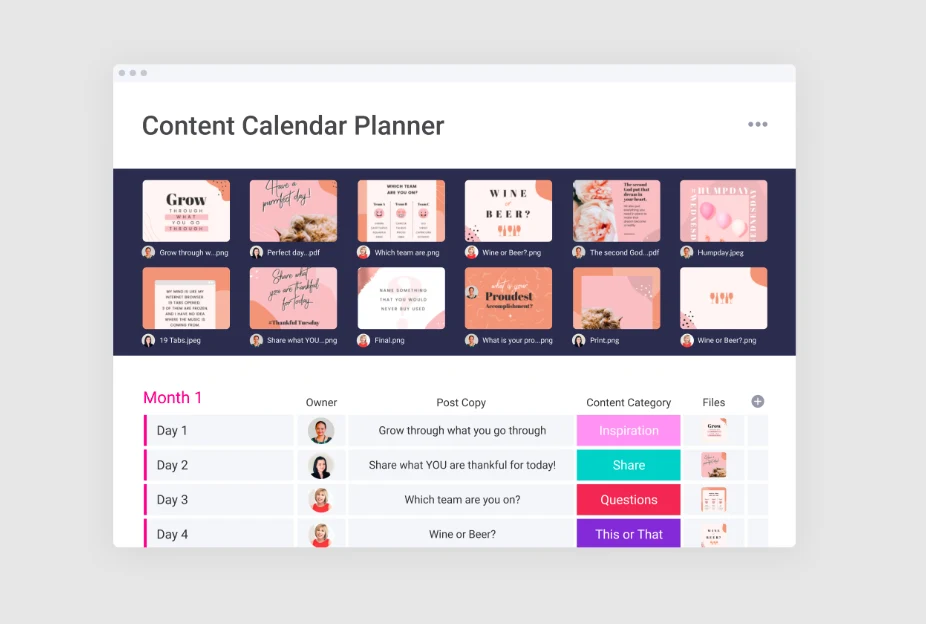
In today's digital age, having a robust social media strategy is critical for businesses of all sizes. Whether you are a small business owner, community manager, or content creator, a well-planned social media content calendar helps you stay organized, track performance, and move toward clear marketing goals.
If you want to plan an effective social media content calendar in 2026, this guide walks you through the process step by step using practical methods from the Mydrop team.
Why Use a Social Media Content Calendar?
Stay Organized
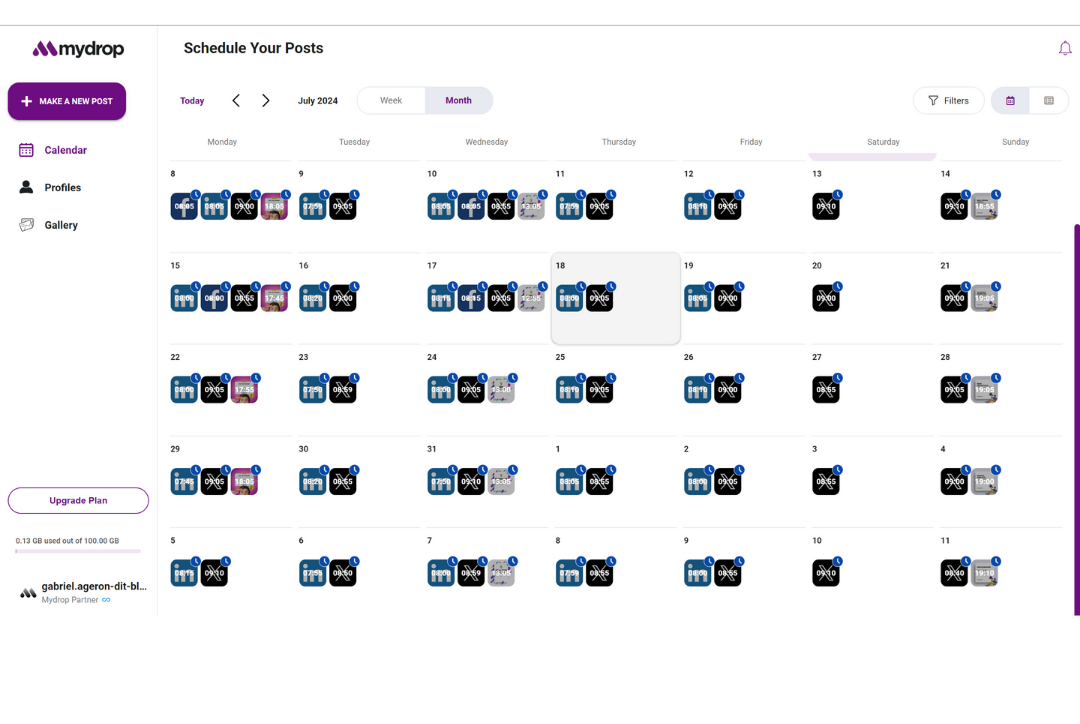
A social media content calendar helps you track every post across platforms in one place. This structure reduces missed publishing dates and keeps your brand presence consistent.
Track Performance
Scheduling in advance makes it easier to compare what works. Over time, you can identify the formats, topics, and posting times that drive stronger engagement and reach.
Meet Marketing Goals
A calendar aligns daily posts with broader campaign objectives. Instead of random publishing, each piece of content supports a clear marketing direction.
Define Your Goals
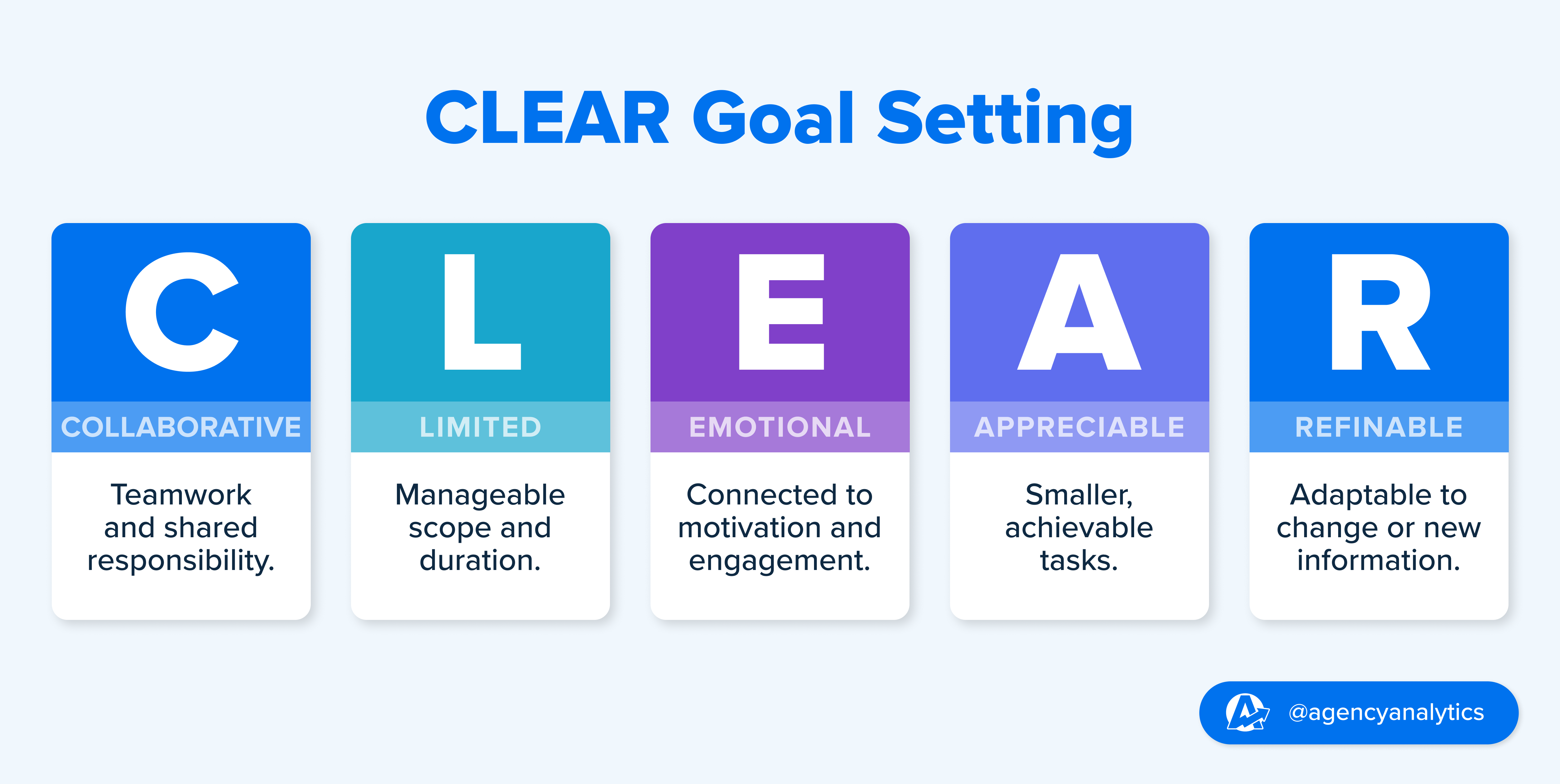
Before planning content, define what success looks like. Clear goals improve prioritization, content quality, and reporting.
Identify Key Objectives
Set outcomes such as brand awareness, lead generation, audience growth, or customer engagement.
Set Measurable KPIs
Track metrics like engagement rate, follower growth, website traffic, saves, shares, and conversions.
Align With Your Overall Strategy
Make sure social objectives support your business priorities so your calendar drives real impact.
Choose the Right Platforms
Know Your Audience
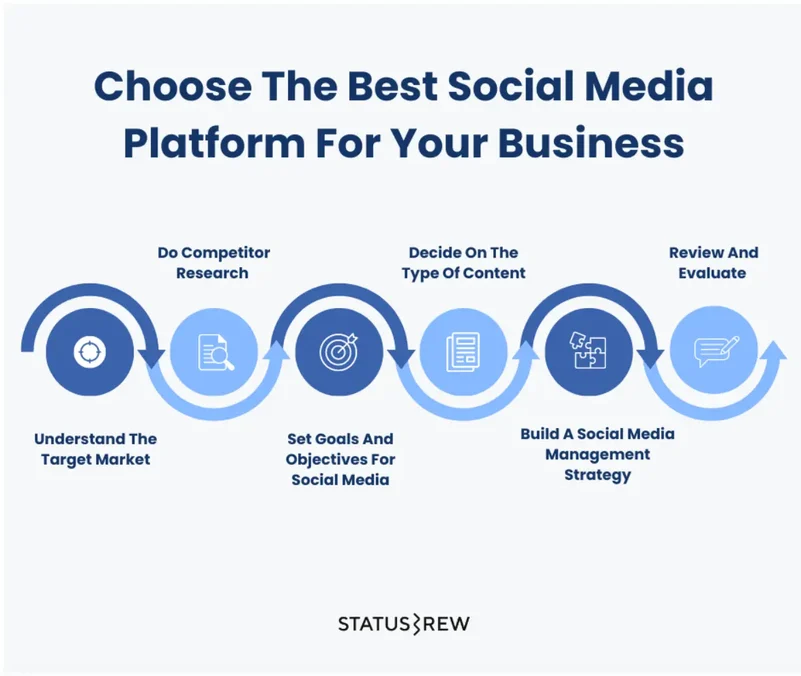
Different platforms serve different audience behaviors. Focus your energy where your target customers actually spend time.
Create Platform-Specific Content
Adapt your message by channel. Short-form video may perform best on TikTok and Reels, while LinkedIn often rewards educational and professional insights.
Stay Current
Algorithms and features change quickly. Keep testing new formats so your calendar stays relevant.
Plan Your Content Mix
Use Diverse Content Types
Mix images, videos, educational posts, and user-generated content to keep your feed engaging.
Apply the 80/20 Rule
Keep roughly 80% of content informative, educational, or entertaining. Use the remaining 20% for direct promotion.
Plan Seasonal Content
Add campaigns around holidays, launches, and key industry dates so your content feels timely and relevant.
Create a Content Repository
Collect Ideas Continuously
Keep a running list of ideas for posts, reels, videos, and campaign hooks so your calendar is never empty.
Organize by Theme
Group content by pillar or campaign to maintain message consistency across weeks.
Use Reusable Templates
Reusable formats speed up production and improve brand consistency.

Schedule Posts in Advance
Use a Unified Calendar
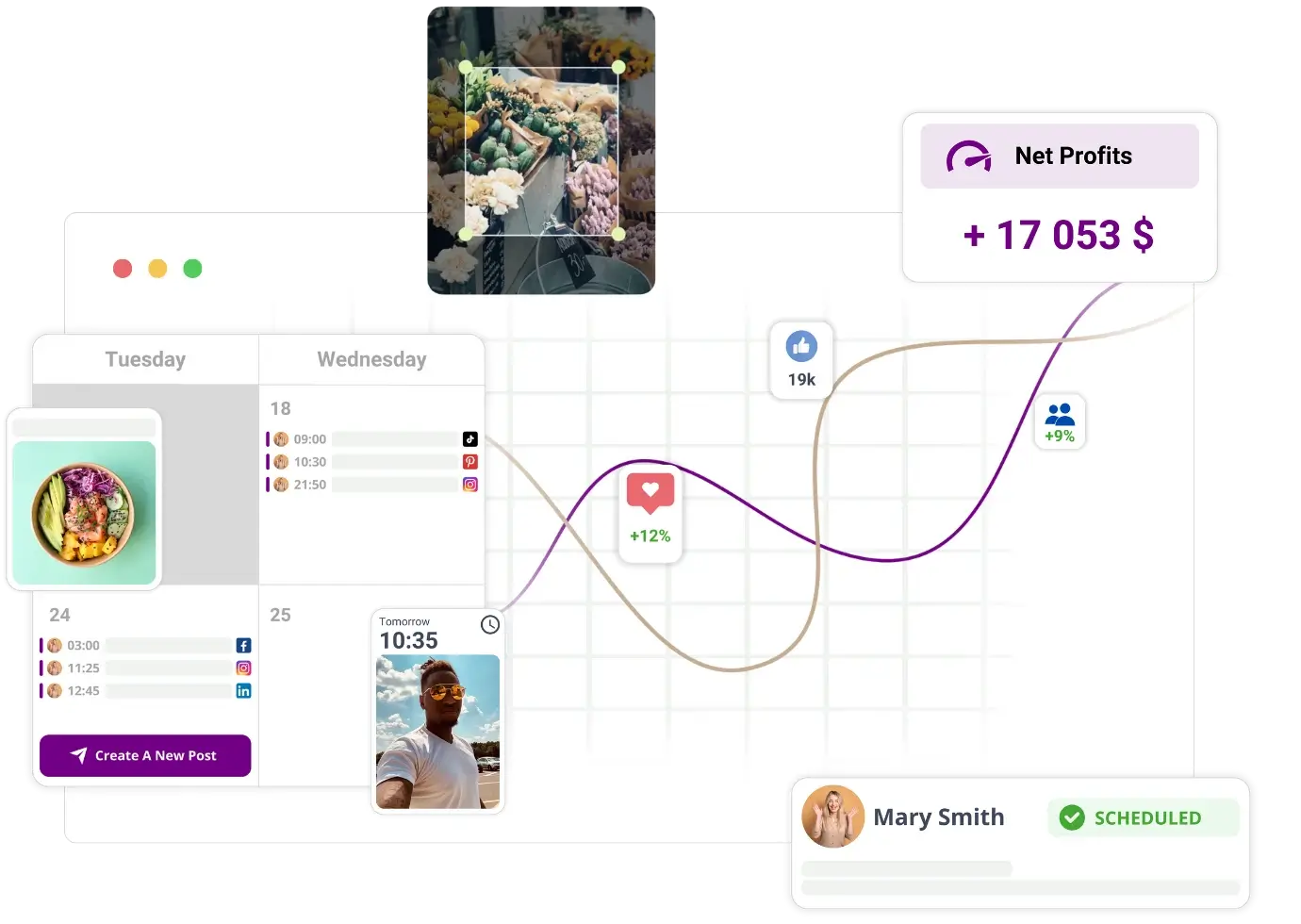
A unified calendar lets you schedule multiple channels from one interface. This is essential when managing many accounts at once.
Maintain Consistency
Pre-scheduling protects publishing cadence during busy weeks and helps maintain audience trust.
Monitor and Adjust
Planned schedules give you room to optimize in real time without losing overall structure.
Engage With Your Audience
Respond Promptly
Engagement is two-way. Fast replies to comments, mentions, and DMs show your audience that their feedback matters.
Encourage Interaction
Use polls, questions, giveaways, and interactive content to create conversation momentum.
Build a Community
Spotlight followers and user-generated content to strengthen brand loyalty and social proof.
Track and Analyze Performance
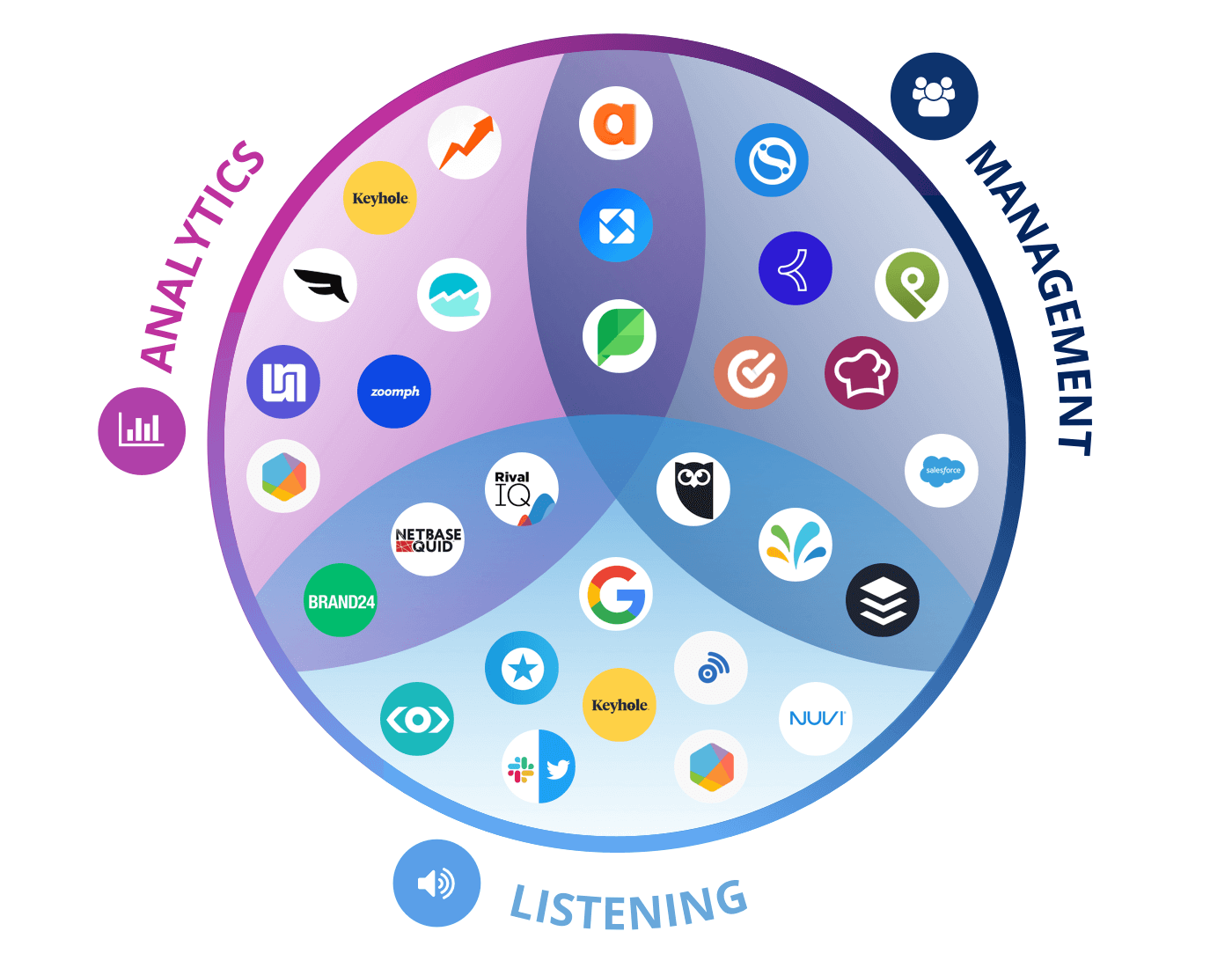
Use Analytics Tools
Analytics reveal what is driving engagement, reach, clicks, and conversions.
Adjust Strategy
Double down on high-performing topics and formats, and remove low-impact content types.
Report Progress
Regular reporting keeps teams aligned and helps stakeholders see what is improving over time.
Leverage AI Tools
AI-Powered Content Generation
AI can speed up ideation, caption writing, and asset creation while preserving your brand voice.
Content Personalization
Data-driven personalization improves relevance and engagement by matching content to audience interests.
Automate Routine Tasks
Automating scheduling and repetitive publishing frees time for strategy, testing, and creative direction.
Foster Collaboration
Coordinate Across the Team
Assign roles and deadlines clearly so strategy, design, copy, and approvals move efficiently.
Collect Feedback Early
Early review loops improve content quality and prevent last-minute rework.
Use Shared Resources
Maintain shared templates, brand guidelines, and swipe files to improve consistency and onboarding.

Stay Updated With Trends
Follow Industry News
Track platform updates and creator trends so your strategy evolves with the market.
Learn Continuously
Join webinars and conferences to spot new opportunities and proven tactics sooner.
Experiment and Innovate
Test new formats and messaging angles regularly. Innovation keeps content fresh and competitive.

Conclusion
Planning a social media content calendar is essential if you want consistent publishing, stronger engagement, and measurable growth.
With the right structure, your team can stay organized, move faster, and continuously improve outcomes across every channel.
Ready to simplify planning and publishing? Use Mydrop to create, schedule, and optimize your social content in one workflow.