


Intro
If video feels like the single tactic that both saves you time and steals your energy this guide is for you. Solo social managers juggle strategy, creation, posting, resizing, and reporting. Video is the best way to get attention, but it can also be the biggest drain on your week. The rising wave of AI video tools makes the choice harder. Should you let an AI crank out dozens of short clips each week, or keep making handcrafted videos that show the real human behind the brand?
This article gives a practical, no-nonsense way to decide. It starts with a five minute decision framework you can use right now. Then it walks through the tradeoffs that actually affect your work: time, money, voice, platform fit, and how to test. Finally it gives repeatable workflows and templates so you can mix AI and handcrafted video without burning out.
Read this when you plan next weeks batch or when you must pitch a client and prove how you will scale content. The goal is simple. Make more good content, faster, and keep the human moments that matter.
A short decision framework you can use in five minutes
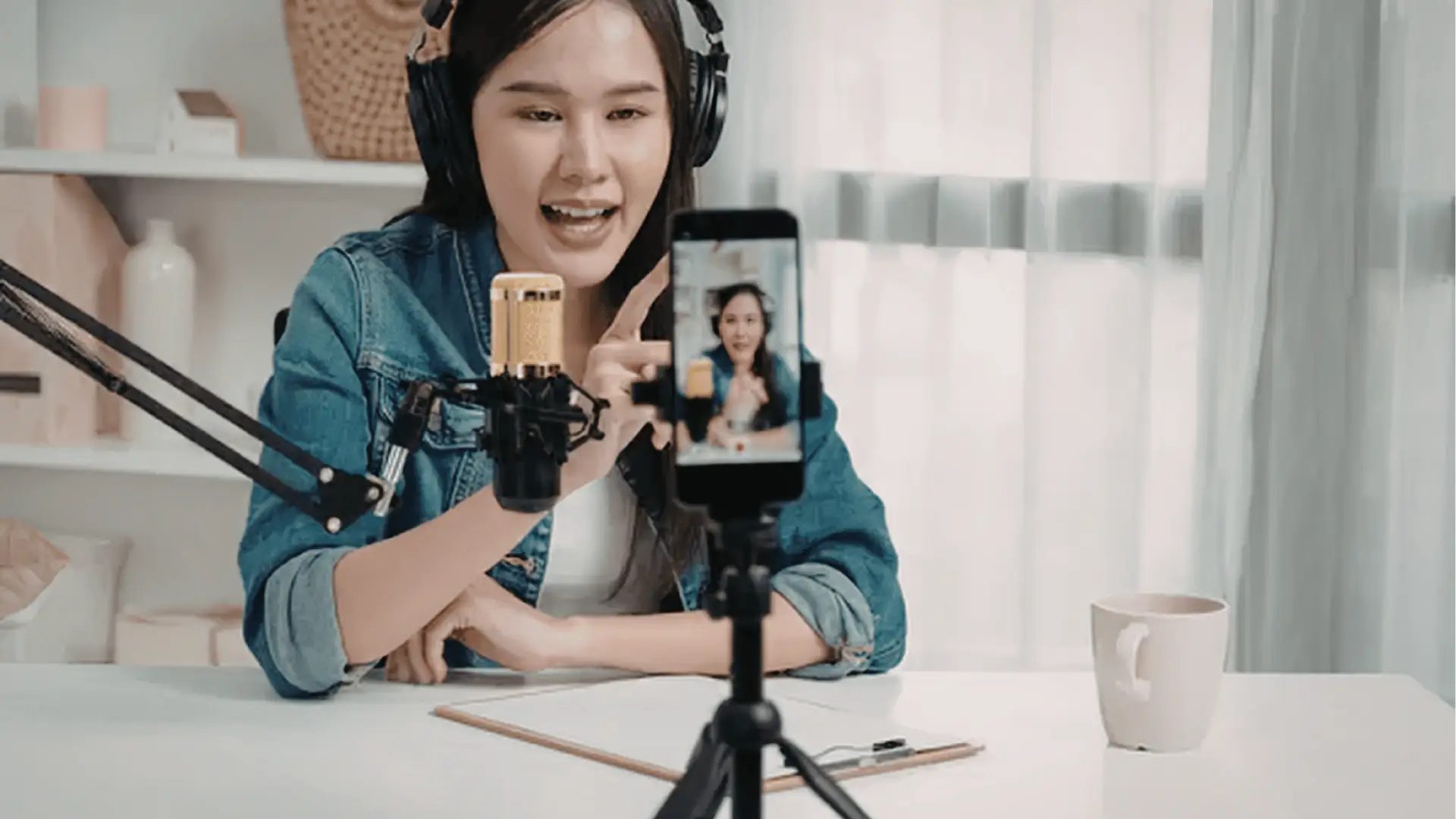
This framework is designed to be fast and decisive. Answer the checks in order and stop when one fails. The first failure tells you which approach to choose. Below each check is a micro-decision you can make on a client call.
Deadline check. If the video must go live within 24 hours, prioritize AI or a hybrid that uses an AI edit of an existing clip. If you have multiple days, handcrafted work is an option. Micro-decision: can you deliver a polished handcrafted edit in the available hours? If not, publish an AI variant with a promise: "Final polished version in 48 hours."
Conversion importance. If the video is meant to close a sale, recruit a client, or represent a premium offer, treat it like a high value asset. Handcrafted is the default. Micro-decision: what is the expected value per conversion? If it is high, invest in handcrafted filming, better sound, and tighter edits. Use AI only for supporting variations for A/B testing.
Human-signal requirement. Does the video need real vulnerability, nuanced expression, or a trusted face? If yes, handcrafted wins. Micro-decision: does the message require an identifiable person or a real testimonial? If so, schedule a human-shot session; synthetic substitutes will reduce trust.
Volume need. If you manage many accounts and must publish many short clips each week, AI becomes the scaling tool. Micro-decision: how many unique assets do you need this month? Cap handcrafted assets to a fixed number and use AI to fill the shortfall. This prevents burnout and keeps quality predictable.
Platform fit. For TikTok and Reels where the first 1 to 2 seconds and the pattern matter, AI templates can produce effective hooks and rapid iterations. For LinkedIn or YouTube where depth, authority, and narrative matter, prioritize handcrafted. Micro-decision: which platform moves the needle for this client right now? Allocate your hero asset accordingly.
Testing priority. If your objective is to learn fast and test many hooks, prefer AI so you can produce variants at low cost. If the goal is to protect brand equity while testing, use a hybrid with a handcrafted core and AI variants. Micro-decision: do you need statistically meaningful results quickly? If yes, scale with AI.
Quick scripts to use on client calls
- "We make one hero video by hand and create 6 fast AI variants for testing."
- "If you need something live within 24 hours we can push an AI version, then replace it with a polished handcrafted edit."
Practical rule. If two checks point in different directions, split the difference with a hybrid workflow. Make one handcrafted hero piece and let AI make the scaled variations. This approach keeps the brand intact while allowing you to learn fast and publish often.
Cost, speed, and scale tradeoffs: the numbers that matter

Solo operators run on time budgets and client budgets. Here are simple numbers you can use to estimate capacity and costs.
Time estimates. A reliable handcrafted 45 to 90 second video with decent sound, captions, and a thumbnail usually costs a solo social manager 60 to 180 minutes end to end. That includes setup, recording multiple takes, basic editing, captions, thumbnail, and export. If you do batch shooting you often amortize setup time, but the basic per-asset time still sits in that range.
AI time estimates. An AI-driven 30 to 60 second clip built from prompt templates, stock clips, or a source script can take 10 to 45 minutes. If you feed an AI tool a polished script and a few brand notes the time heads toward the low end. If you need the AI to generate voice, visuals, and music with edits, expect 20 to 45 minutes including a quick quality pass.
Money math. Charge rates change by market, but the simple arithmetic helps. If you bill clients $60 to $120 per hour, a handcrafted video that takes two hours costs $120 to $240 in labor alone. AI subscriptions might cost $20 to $100 per month and either price posts by minute or include unlimited outputs. Marginal cost per AI video often drops to a few cents or a few dollars when you factor in subscription amortization. Remember to add stock media and music costs where applicable.
Mental load and context switching. Editing handcrafted videos forces deeper attention. You edit timing, select reactions, and chase small details. That mental load is a real cost. AI shifts the workload to prompt design, template maintenance, and review. If the week is full, swapping to AI reduces context switching and the cognitive overhead of perfecting each clip.
Scale math example. Suppose you need 30 clips per month for three clients. At two hours per handcrafted video that is 60 hours of work. With an AI-first approach at 20 minutes per clip that is 10 hours. The difference is dramatic. Use this math to justify hybrid hiring or subscription costs to clients.
Quality per dollar. For top-of-funnel reach content where the hook matters more than nuance, AI often gives better quality per dollar. For conversion-focused content where small credibility signals move metrics, handcrafted usually wins. The right mix depends on where each asset sits in your funnel.
Practical tip. Calculate your monthly content demand, estimate handcrafted capacity, and fill the shortfall with AI. This transparent model reassures clients and preserves your energy for the most valuable work.
Brand voice and authenticity: what you lose and what you keep

Brand voice is more than words. It is cadence, timing, micro expression, and consistent framing. That is why many managers worry AI will homogenize everything. The true answer is nuanced.
What handcrafted video protects. A founder or creator on camera transmits subtle cues that build trust. A case study filmed with real clients carries detail that AI cannot invent honestly. Handcrafted work captures unscripted moments, nervous laughter, the exact product demo, and the messy specifics that prove credibility. Those details are hard to replicate by synthesis and often drive conversions.
What AI gives you. AI scales recognizable formats. It can create punchy hooks, consistent caption styles, and many small variants quickly. For repurposing long form content into snackable pieces, AI is very efficient. It also helps enforce brand templates like consistent fonts, caption placement, and intro/outro sequences without manual work each time.
Hybrid as amplification. The highest return pattern I have seen is to protect the hero asset and use AI to amplify. Film a well-crafted 90 second piece that communicates a big idea or customer result. Use AI to cut multiple hooks, create different captions, and test alternate CTAs. The handcrafted core preserves the human signals while AI increases distribution and testing velocity.
Guardrails for voice. Create a short brand prompt sheet for AI. Include words to use, words to avoid, preferred punctuation, and the three tones that match the brand (for example: plain, playful, or professional). Keep a list of client-specific bans so AI does not repeat brand mistakes.
Authenticity and ethics. Synthetic faces and voices may breach consent rules and platform policies. Never fabricate endorsements. If an AI voice stands in for a real person label it when required. When working with clients discuss synthetic media upfront and get clear approval paths.
Practical checklist for preserving voice:
- Always include at least one human-shot hero asset per campaign.
- Use AI for variations, not the central trust moment.
- Maintain a short brand prompt with dos and donts.
- Review AI outputs under a 10 minute quality gate.
Platform fit: where AI wins and where human work still matters

Each platform values different signals. Match the tool to where you want impact and design your production plan around that reality.
TikTok and Instagram Reels. These platforms reward fast hooks, loops, and formats viewers instantly recognize. AI tools can produce dozens of variant hooks and caption styles quickly which is ideal for trend chasing and volume posting. When speed and iteration beat polish, AI is a practical choice. Example workflow: film a single human take, then use AI to produce three different 15 second hooks that each open the clip differently. Post them across the week to test which hook pattern resonates.
YouTube and long form. Search and watch time matter most. YouTube favors coherent structure and sustained value. Handcrafted editing, thoughtful pacing, and real presenter presence usually outperform synthetic attempts. AI can still help create thumbnails, short teasers, and repurposed clips that feed other platforms. If your goal is subscriber growth and watch time, budget time for outline, scene planning, and a polished edit.
LinkedIn and professional content. LinkedIn rewards credibility and clear insight. A well framed on-camera explanation, case study, or walkthrough builds authority. AI helps with captions, quote cards, and short social versions, but the core should be human. For B2B clients build a one page evidence brief for each video: outcome, metric, and client quote to support the post.
Stories and ephemeral formats. For 24 hour stories and ephemeral content, speed wins. AI tools that create templated story slides and quick videos let you publish often without a heavy production burden. Keep a bank of story templates in brand colors so quick posts still look consistent.
Paid ads. Ads must convert. Use AI to generate many variations for testing. When you identify a high performer, invest in a handcrafted final cut that optimizes messaging, faces, and timing to minimize wasted ad spend. Tactical tip: run a 2 week wide test with AI variants, then scale the top 2 and commission a handcrafted refinement.
Cross-posting considerations. AI often outputs platform-optimized sizes automatically which removes friction for multi-platform posting. If you post the same asset to different platforms, check that captions and CTAs make sense for each audience. Avoid copying the same caption across platforms without editing for context.
Platform-specific checklist
- TikTok/Reels: prioritize hooks, captions, sound, and trends. Use AI for fast variations and cadence experiments.
- YouTube: prioritize structure, story, and watch time. Plan scenes and edit for retention.
- LinkedIn: prioritize clarity, evidence, and credibility. Use human presentations for thought leadership.
- Stories: prioritize speed and brand consistency. Use templates.
- Ads: test wide with AI, polish winners by hand.
Quarterly reassessment. Platforms change quickly. Every quarter review which platform is driving business outcomes and shift your production mix accordingly. Keep a simple dashboard that shows spend, impressions, retention, and conversions by platform so the data drives your allocation.
Practical rule. Use platform signals to allocate effort. If the platform rewards novelty and iteration, favor AI. If it rewards authority and depth, favor handcrafted. Reassess every quarter as platform signals and formats change.
Workflows and tools: how to build a repeatable hybrid process

A repeatable pipeline keeps you consistent while letting you scale. Here is a detailed six step workflow you can adopt this week, with practical examples, file naming conventions, time budgets, and handoff notes so a junior can follow the process without extra explanation.
Plan and batch. Plan themes for the week or month. Batch record multiple takes in one session. Aim for raw material that supports both a hero piece and many cutdowns. Practical habit: create a simple brief for each shoot with the desired outcomes, 3 key messages, and an outline of shots. Name files like clientname_topic_YYYYMMDD_take to make lookup painless.
Make a hero asset. Edit one strong 60 to 120 second piece. Polish audio and captions. This is the asset you will promote and use for client reports. Time budget: 60 to 120 minutes depending on polish level. Deliverable: hero.mp4 and hero_caption.srt in client/assets/hero.
Create a prompt library. For each client keep 6 to 10 tested prompts for AI repurposing. Include tone examples, banned words, CTA variants, and caption length rules. Store prompts in a shared doc with version history and a change log so you can roll back prompts that introduce errors.
AI repurposing pass. Use AI to cut 6 to 12 short vertical clips, generate captions and produce thumbnail variations. Export the top candidates and label them with the prompt used. Practical tip: keep a column in your output sheet for "prompt used" so you can reproduce successful variants.
Quick quality gate. Review AI outputs in a simple checklist: audio clarity, factual accuracy, brand language, and visual glitches. Discard obviously bad variants and lightly polish the best two. Time budget: 5 to 15 minutes per output depending on fixes. Deliverable: publish_ready_variantA.mp4 and publish_ready_variantB.mp4.
Schedule and learn. Schedule the polished variants across times and platforms. Track performance and log results in a small spreadsheet. Replace prompts that underperform. Tracking fields: date posted, prompt used, variant id, impressions, play rate, retention, clicks, conversions, and notes.
Tools and integrations. Use one reliable editor for hero cuts, one AI repurposing tool that allows prompt export, and one scheduler that supports multiple accounts. Keep integrations minimal. If you use Mydrop or similar tools, let them handle distribution so you can focus on creation and measurement. Recommended stack example: a lightweight editor for hero cuts, an AI repurposing service that exports labeled mp4s, and a scheduler that accepts CSV imports.
File and asset hygiene. Keep a simple folder structure: client/assets/raw, client/assets/hero, client/assets/ai-variants, client/reports. Archive raw footage after two months if storage is tight. Use consistent naming and tags so a hired junior can find the hero clip quickly.
Team notes and handoffs. If you need to scale further, hire an editor to handle hero edits and a junior to manage the AI repurposing and scheduling. That splits high skill work from repetitive tasks. Provide a short SOP with the quality gate checklist and prompt library guidelines so the team follows the same standards.
Templates to create this month
- One hero edit template with caption styles and intro length.
- One prompt library per client with 10 prompts and approved words.
- One scheduling template with preferred posting times and fallback publishing rules.
Scaling tip. When a client upgrades, add a weekly studio slot for handcrafted hero assets and keep AI to scale social versions. That doubles output without doubling cost.
Mini SOP: quick checklist for the junior
- Fetch hero.mp4 from client/assets/hero.
- Run AI repurposer with prompt A, B, C and label outputs.
- Run quick quality gate checklist and flag two winners.
- Upload winners to scheduler CSV with captions and publish times.
- Log results in tracking sheet after 48 hours.
This detailed workflow makes the hybrid model repeatable, auditable, and easy to hand off while preserving the human moments that matter.
Testing and measurement: how to compare AI vs handcrafted without bias

Testing is the only way to know what works for your audience. Here is a practical testing playbook.
Design fair tests. Compare the same script or core idea across two edits. Keep thumbnails, captions, and posting time similar so the edit is the variable.
Use the right metrics. For reach focus on impressions, play rate, and 3 second views. For quality focus on view through rate and retention at 25, 50, and 75 percent. For conversion include click through rate, signups, or cost per lead depending on your goal.
Run multiple iterations. Don’t decide on a single test. Run the same experiment three to five times or across several audiences. Aggregate results to reduce noise.
Prompt iteration. When AI performs well iterate on prompts. Track which prompt changes increased retention or watch time. Keep logs so you can reproduce improvements.
Decide with business thresholds. Define what counts as a meaningful lift before testing. For example decide that a 10 percent increase in view through rate or a 15 percent drop in cost per lead matters. Use those thresholds to choose whether to invest more resources.
Practical experiments to run this month.
- Variant test. Handcrafted hero vs AI cut on the same script. Measure reach and retention.
- CTA test. Same edit with two CTAs. Measure clicks and conversions.
- Frequency test. Post the same AI variant at two different frequencies and measure decay.
Ethics and disclosure. If synthetic media is used in ads or endorsements follow platform rules for disclosure. When in doubt be transparent with clients and audiences.
Conclusion
Both AI-generated and handcrafted video have clear roles. Use the five minute framework to decide quickly. Protect one handcrafted hero asset per campaign and use AI to create volume and variations. Batch work, automate distribution, and keep a short quality gate so scale does not erode brand trust.
Try one experiment this week. Film one handcrafted hero video, let AI produce three variants, and compare reach and retention. The results will teach you more than theory and help you build a hybrid process that saves time while keeping the human moments that matter.